

Home/Runner Guide
Runner Guide
Know the course. Enjoy the race.
Everything a first-timer wishes somebody had told them, and the two or three things experienced runners still get wrong at small races.
-
The Week Before
Before race day
Nothing new on race day. Not shoes, not shorts, not breakfast, not caffeine. Everything you will wear should already have three runs on it. Look at the course map so the turns are not a surprise, check the forecast on Thursday, and lay your kit out on Friday night so morning is a matter of getting dressed rather than making decisions.
-
Friday 4 to 7 PM
Packet pickup
Bring a photo ID. Picking up for a friend means bringing a photo of their ID or their confirmation email. Your bib, your pins and your shirt come in the packet, and your RFID chip is already laminated to the back of the bib. There is nothing to attach and nothing to hand back. Race morning pickup opens at 6 AM at the start tent, but Friday is calmer and you will thank yourself.
-
The Bib
Bib rules that actually matter
Front of your shirt, flat, unfolded, four pins. Not on your leg, not on your back, not under a jacket you plan to unzip at mile two. Folding the bib or driving a pin through the chip is the single most common reason a finish goes unrecorded. Never wear somebody else's bib: the chip follows the number, so their name gets your time and their age group gets scored wrong.
-
7:00 AM
At the start
Corrals are marked by expected finish time. Pick honestly. Your chip time starts when you cross the mat, not when the horn sounds, so lining up three rows back costs you nothing and saves everyone around you the first-half-mile scramble. Strollers and walkers start at the back, on the same chip-timed course as everyone else. Hit the bathroom at 7:00, not 7:25.
-
Mile 1 to 3
On the course
Go out slower than feels right. Everybody says it and almost nobody does it, and it is still the difference between a good last mile and a bad one. At the water station take the outside lane, grab a cup, pinch the rim into a spout and drink after you are past the table. Drop the cup in the marked bin zone, not on a marshal. Pass on the left. If you need to stop, step fully off the line first.
-
The Finish
After you cross
Keep moving through the chute. The mat has already read you, and the people behind you need the space. Medals and water are ten steps past the line. Do not stop to look for your family until you are out of the chute. Then walk for five minutes before you sit down, because sitting down immediately is how a good race turns into a stiff afternoon.
 Keep moving through the chute
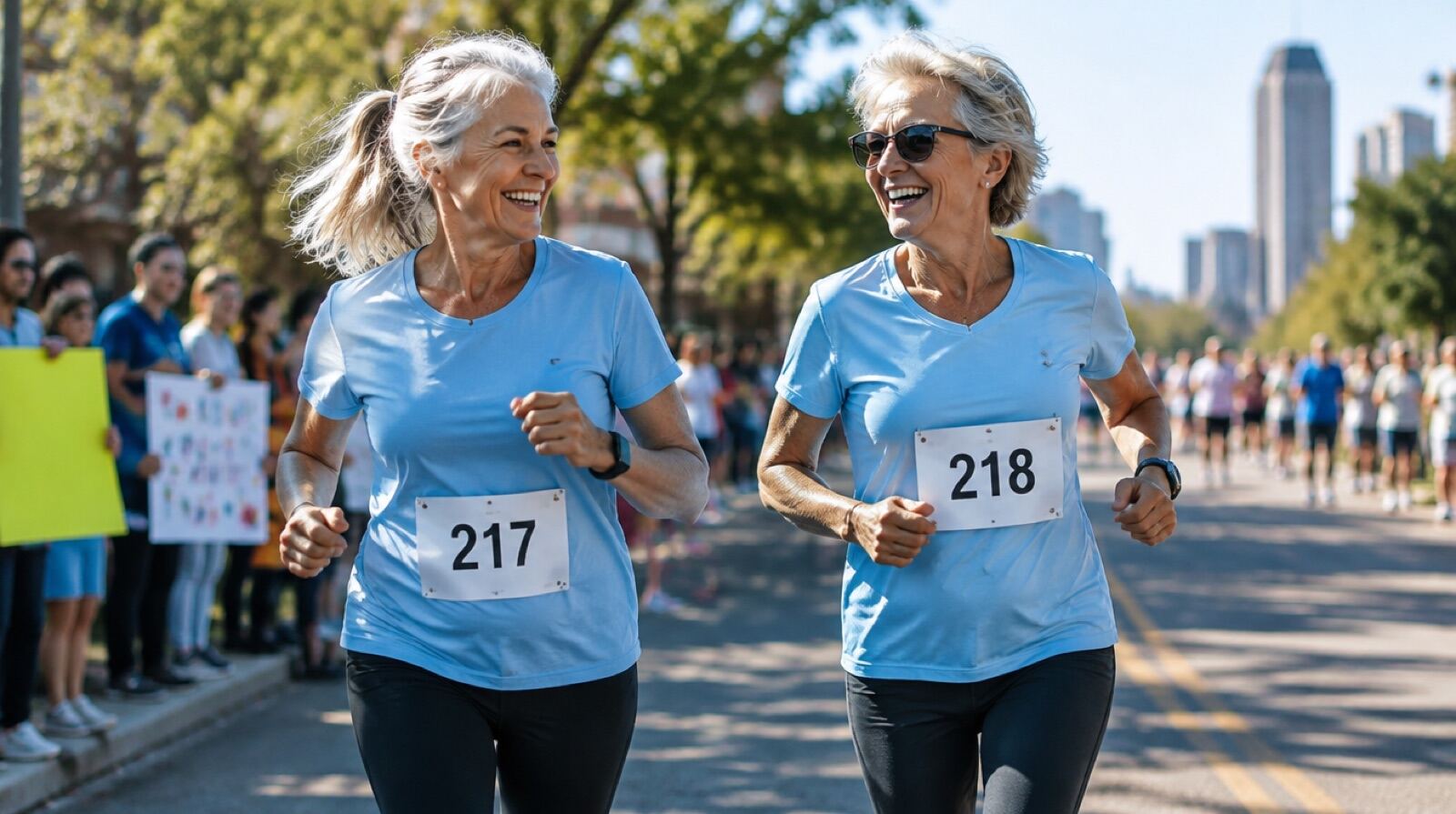 Mile two, conversation pace
The one rule nobody enforces but everybody notices. If you are walking, walk on the right, two abreast at most. A wall of six walkers across a twelve foot trail at mile two is the only genuinely unsafe thing that happens at a 5K.
What to wear
Dress for twenty degrees warmer than the thermometer says, because that is how it will feel at mile one. Fort Worth in February means a long sleeve and gloves you can throw in the drop bin. Fort Worth in November means shorts and a decision you will second-guess at the start and be grateful for by mile two.
What The Morning Looks Like
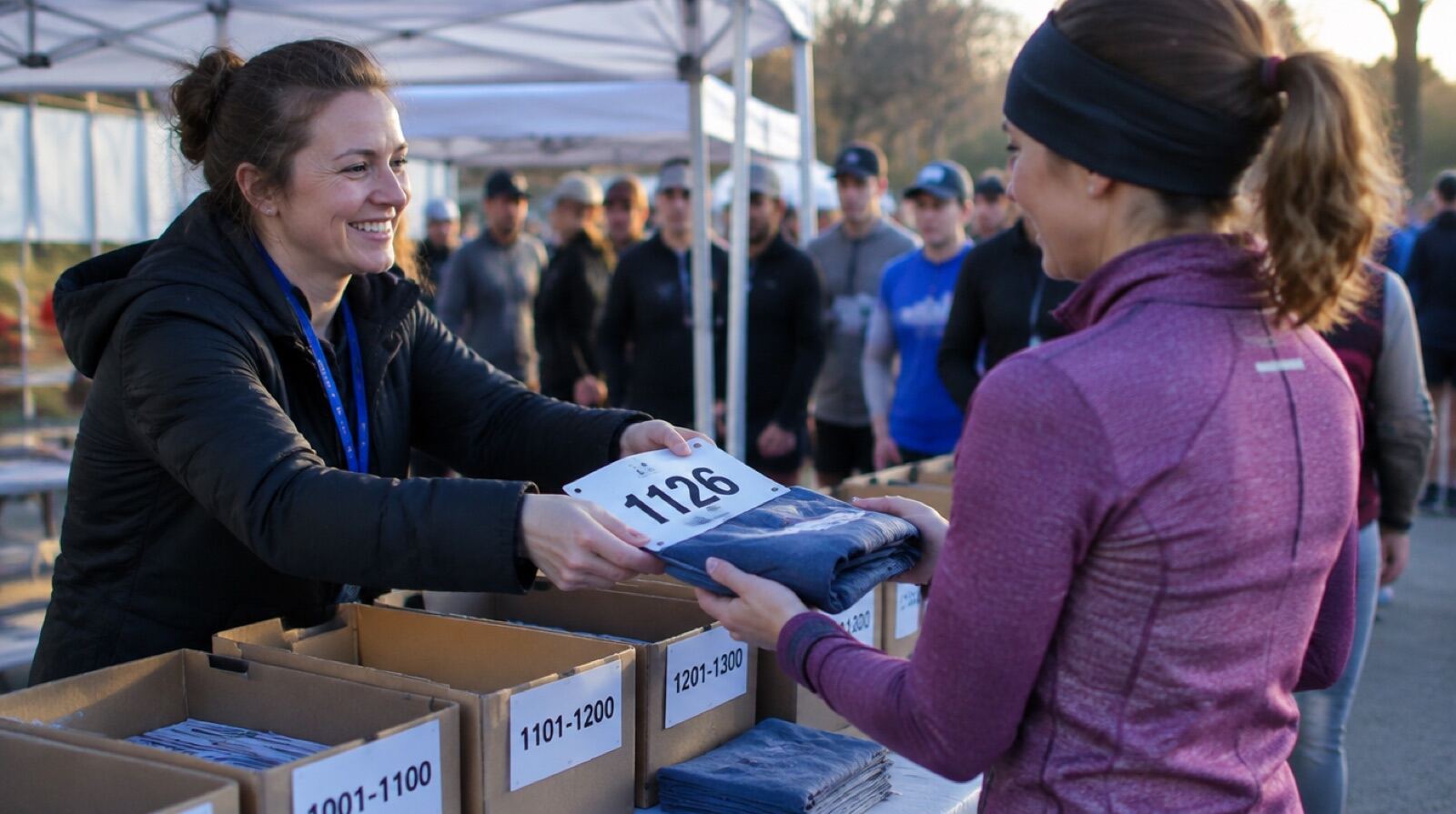 Packet pickup
 The horn
 Follow the marshal
 Take the outside lane
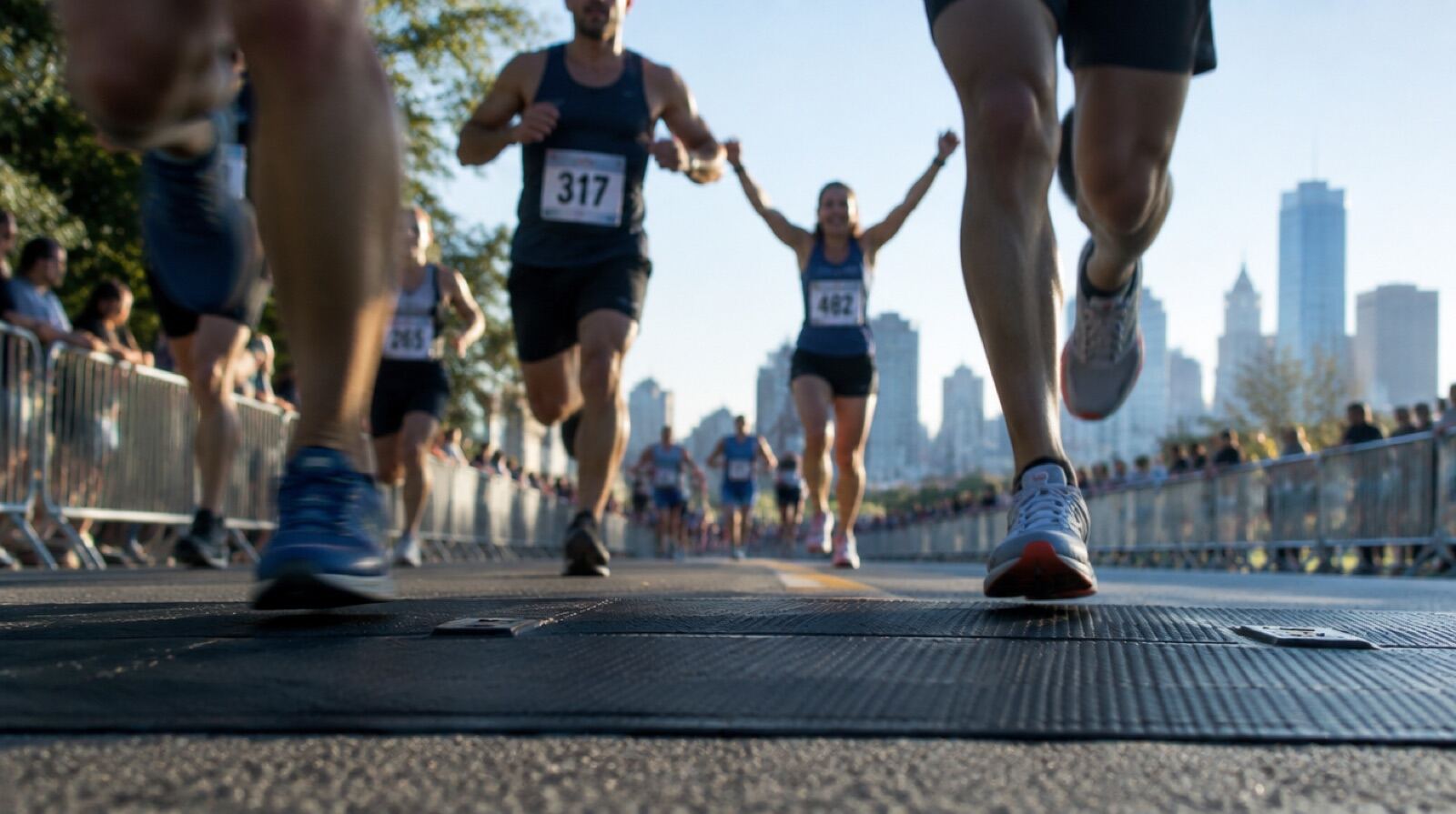 The finish mat
 Your time, on your phone
Demo imagery.
Timing Guide
How the chip actually works.
No battery, no button, nothing to return. Here is what is happening under the bib.
The tag
A passive RFID tag is laminated to the back of your bib. It has no power source of its own. When you pass over an antenna mat, the mat's radio field energises the tag for a fraction of a second and it reports its own serial number, which is tied to your registration.
The mats
One mat at the start, one at the finish, sometimes one at a split. A good timing setup plans for a missed read, because a timing system with a single point of failure is not a timing system.
The result
Finish read minus start read equals your chip time. Scoring is live, so the kiosk board updates as you cross and your finisher text sends within minutes. Age group and overall awards are calculated before the last runner is in.
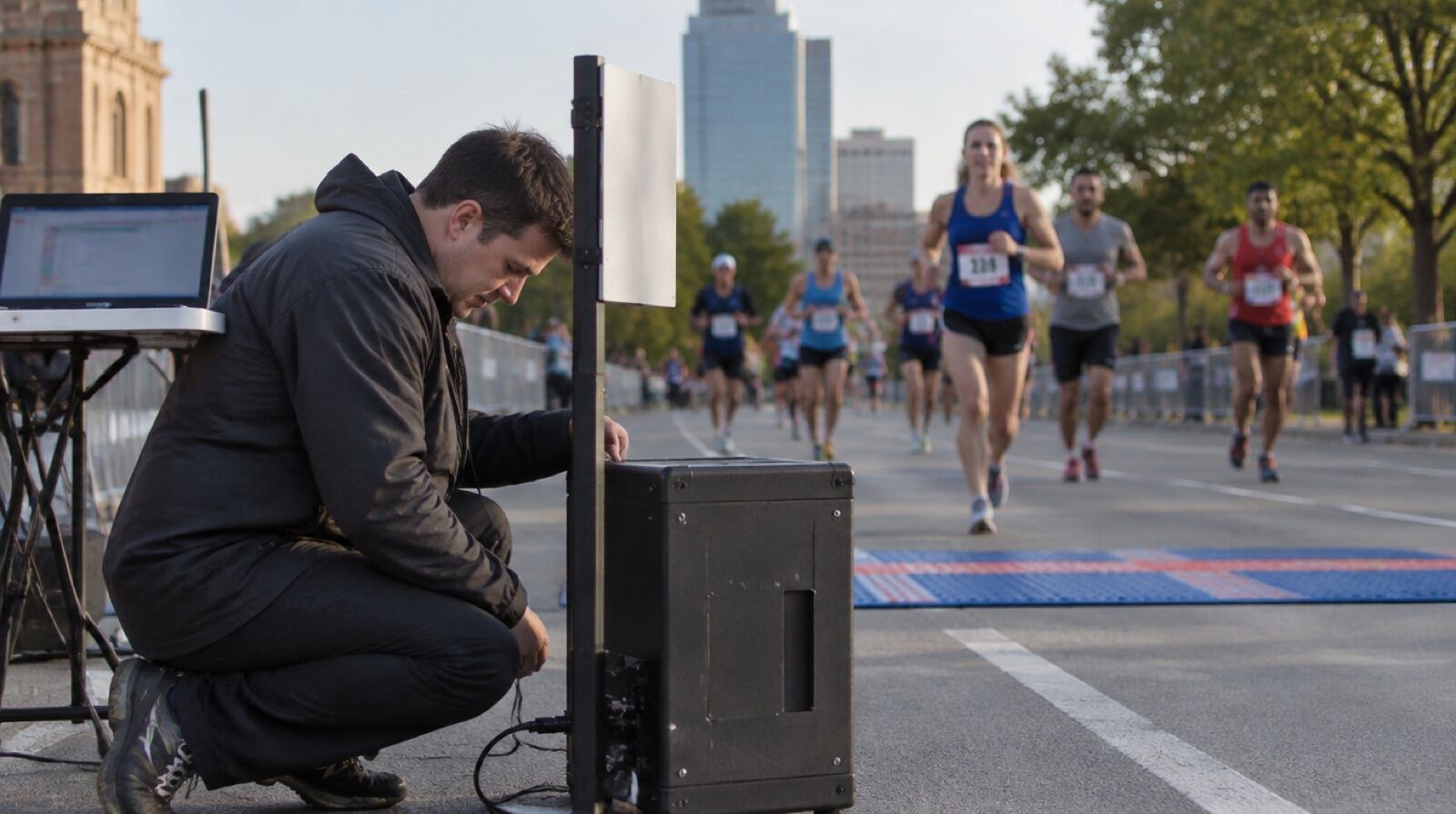 The finish box
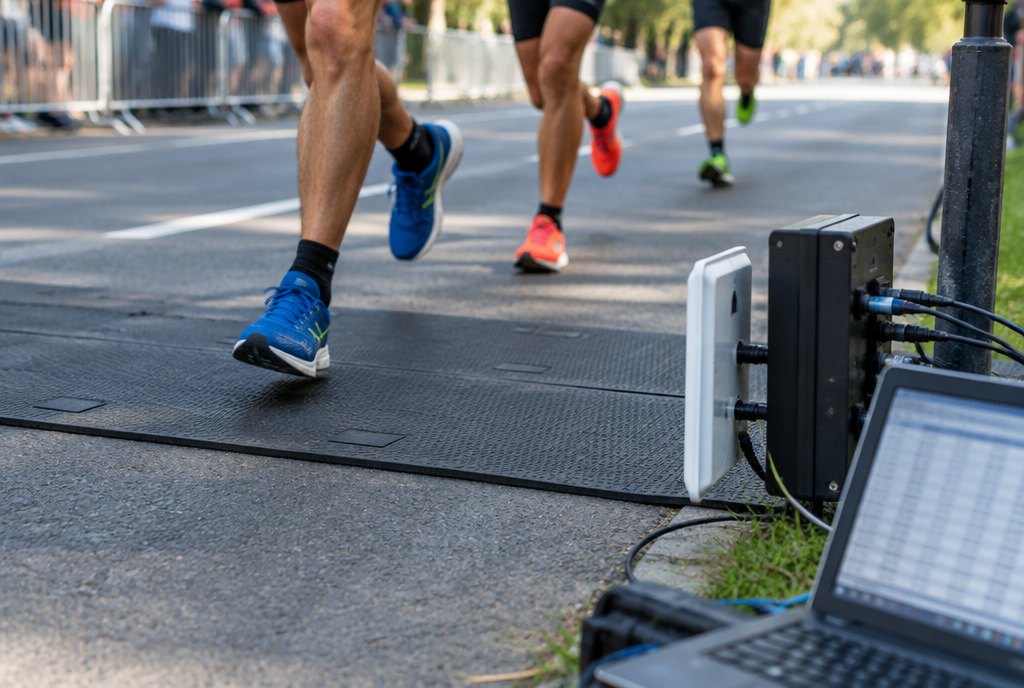 The mats
 Chip time stops here
Chip Time
Starts when you personally cross the start mat, stops when you cross the finish mat. This is your real running time and it is the number you should care about. Age group awards are scored on chip time, so starting further back never costs you a medal.
Gun Time
Starts for everyone the instant the horn sounds. Overall awards are scored on gun time, because the overall winner should be the person who actually crossed the line first. If you are racing for the win, line up at the front. Everyone else can ignore this number entirely.
Want the longer version, including what happens when a mat misses a read? Read How chip timing actually works in Race Notes.
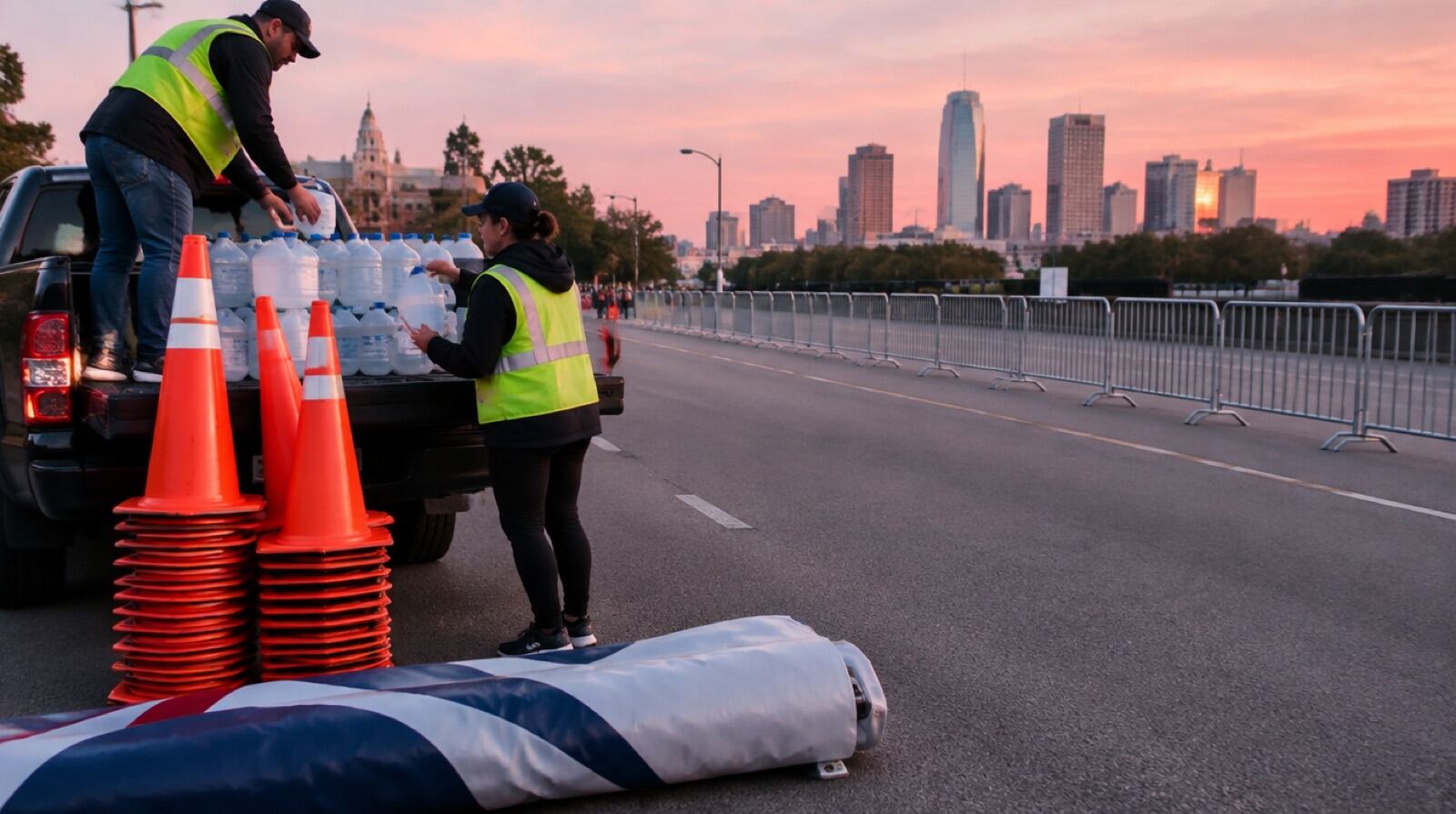 Arrive early
 Strollers start at the back
 Dress for the cold
Race morning checklist.
Print it, or screenshot it and check it in the car.
- Bib, flat and unfolded, with four pins in the packet
- Shoes and socks you have already run in this month
- Watch charged, or your phone if that is your clock
- Throwaway long sleeve for the corral if it is under fifty
- Breakfast you have eaten before a run, ninety minutes out
- Water in the car for after, not just before
- Parking plan and an arrival time forty-five minutes before the gun
- Photo ID if you are picking your packet up race morning
- A dry shirt in a bag for the drive home
- Somebody told where to stand at the finish
 Somebody waiting at the finish
Still Have A Question?
Your finish. Made official.
The assistant answers packet pickup, corral and timing questions any hour. A real person answers everything else.